Park History Mesa Verde Lodge and Tours Mancos Colorado USA
Mountain
Park History

Fun Facts about mesa verde national park

Mesa Verde National Park, established by President Theodore Roosevelt on June 29, 1906, as the first national park dedicated to cultural preservation, continues to captivate visitors with its rich history. With efforts focused on protecting both its archaeological sites and natural landscapes, the park offers a fascinating glimpse into the past. Did you know that there are fun facts about Mesa Verde National Park that highlight its role in preserving Puebloan culture? From ancient cliff dwellings to its significant cultural impact, there’s no shortage of Mesa Verde National Park fun facts to discover.

Here are some highlights from Mesa Verde's history

CE 500s – First pit houses and signs of permanent habitation appear.

Mid-700s – People began grouping houses to form compact villages.


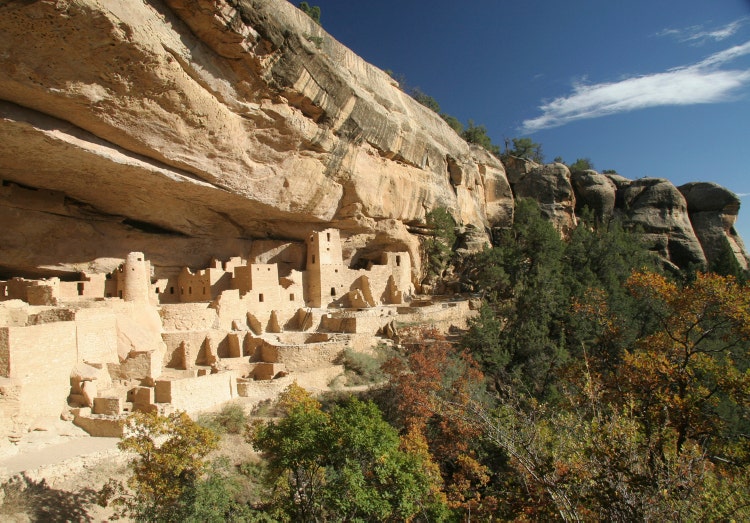
1100 – 1300 – The Classic Pueblo Period saw the construction of extensive complexes of pueblos. Cliff dwellings number over 600 within the park boundaries.

1300 – Ancestral Pueblo people had migrated from Mesa Verde. There are many possible reasons for the migration.

1859 – Great Colorado Goldrush. Professor J.S. Newberry makes the first known mention of Mesa Verde.

1870s - 80s – Several cliff dwellings discovered.

1888 – The Weatherill brothers discover Cliff Palace while tracking livestock.

1889 – Activist Virginia McClurg begins a decadelong fight to designate the National Park.

1976 - Lands are added to the National Park with new wilderness designations.

1978 - Mesa Verde National Park is declared one of eight original World Heritage Sites by the United Nations.

2003/4 Forest fires brought on by drought burn thousands of National Park acres, but leave dwellings undamaged. The process of regrowth is well underway.

2006 – After 100 years, Mersa Verde National Park celebrates the continued preservation and protection of these irreplaceable cultural resources for generations to come.

A Home in the Cliffs Mesa Verde lodge and tours Mancos Colorado USA

A Home in the Cliffs

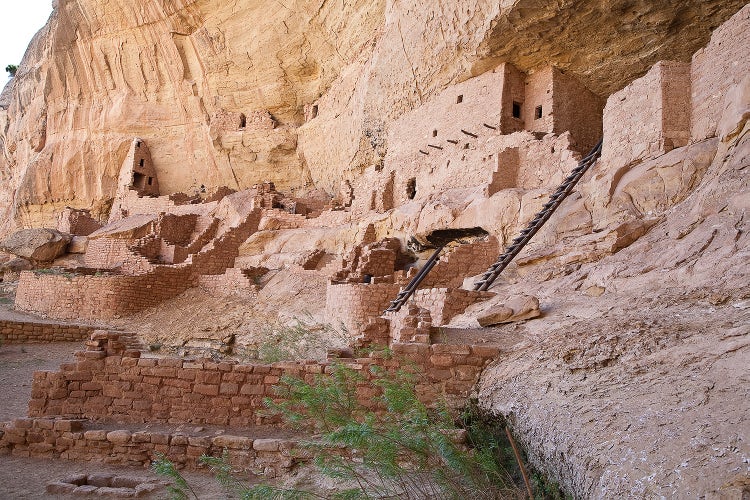
For over 700 years, the Ancestral Pueblo people thrived on this high desert mesa, building intricate stone dwellings and cultivating a life in harmony with the land. From around CE 550 to CE1300, they shaped the region with pithouses, pueblos, towers, kivas, and the now-iconic cliff dwellings carved into sandstone alcoves. These architectural marvels are the best preserved in North America, offering a unique window into their daily lives and spiritual practices.

Green Table Mesa Verde Lodge and Tours Mancos Colorado USA

Mesa Verde: Spanish for “Green Table”

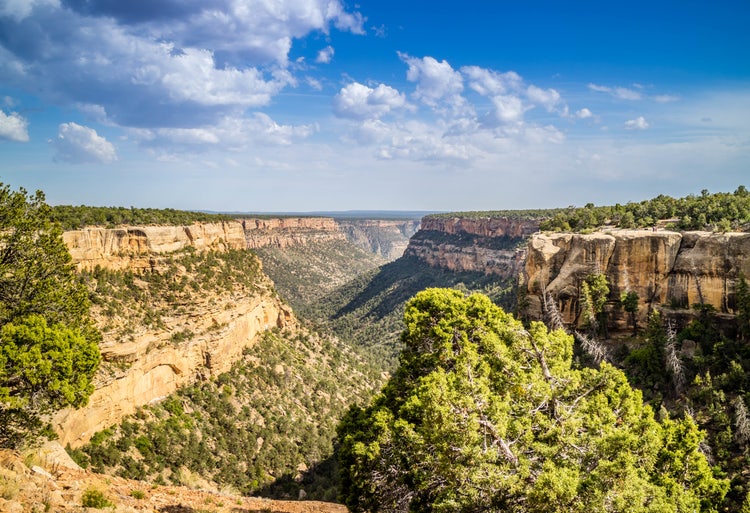
True to its name, Mesa Verde (“green table” in Spanish) offers sweeping plateaus and forested landscapes where early Pueblo people first settled on the mesa tops. It wasn’t until the final century of their time here—between CE 1190 and CE 1300—that they began building the cliff dwellings that define the park today. These ranged from small storage alcoves to sprawling 150-room villages, often tucked beneath dramatic overhangs in the canyon walls.

Mysterious Departure Mesa Verde Lodge and Tours Mancos Colorado USA

A Mysterious Departure

By the late 1270s, change was on the horizon. Within a generation or two, the Ancestral Pueblo people began migrating south into present-day New Mexico and Arizona, leaving behind their remarkable homes. Though their departure remains a subject of study, what remains is a profound and enduring sense of place—one that continues to inspire awe in all who visit.

4,700 archaeological sites and 600 cliff dwellings Mesa Verde Lodge and Tours Mancos Colorado USA

Preserving the Past, Inspiring the Future

With more than 4,700 archaeological sites and 600 cliff dwellings, Mesa Verde is more than a national park—it’s a living story etched in stone. Dive deeper into the park’s vibrant past with guided interpretive tours, view our timeline and history synopsis, and learn about the 24 Associated Tribes who continue to honor their ancestral ties to this sacred land.

Colored Shape