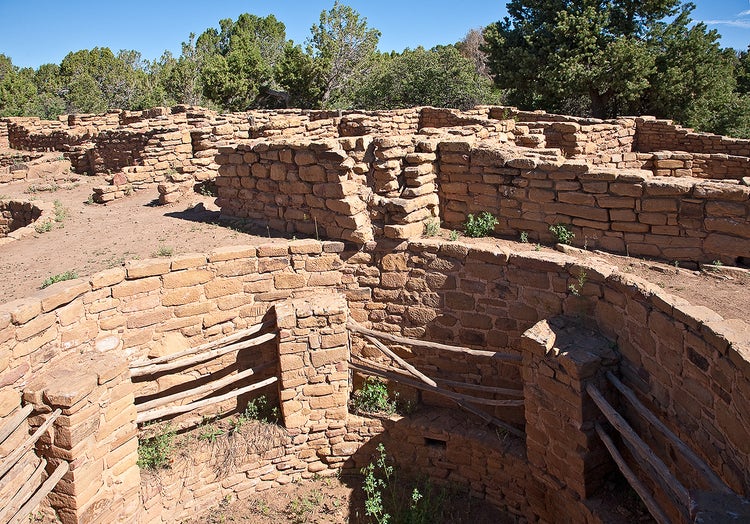
Badger House Community
The Badger House Community consists of several sites dating from about CE 650 to the late 1200s. There are four sites along a paved and gravel-walking trail:
- Modified Basketmaker Pithouse
- Developmental Pueblo Village
- Badger House
- Two Raven House
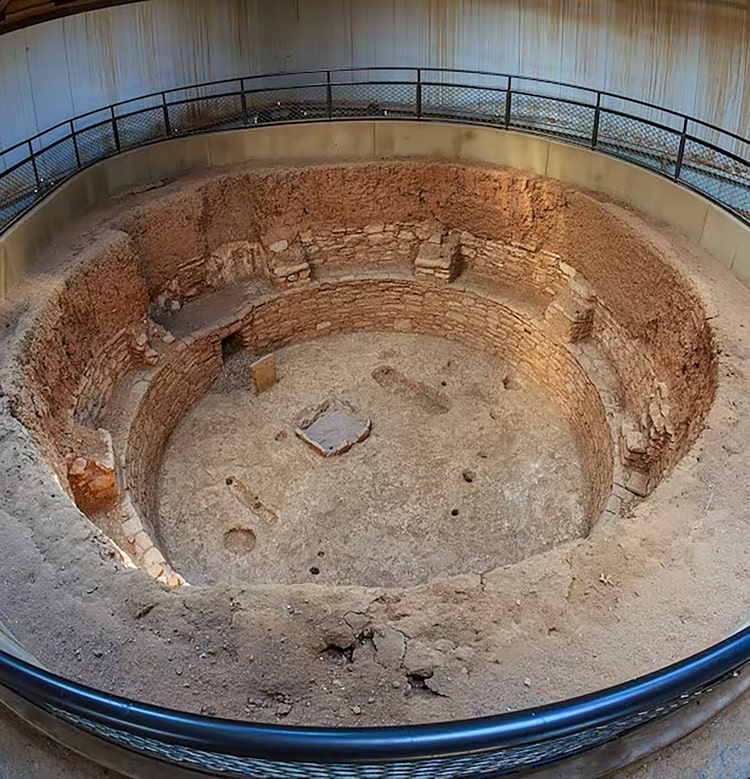
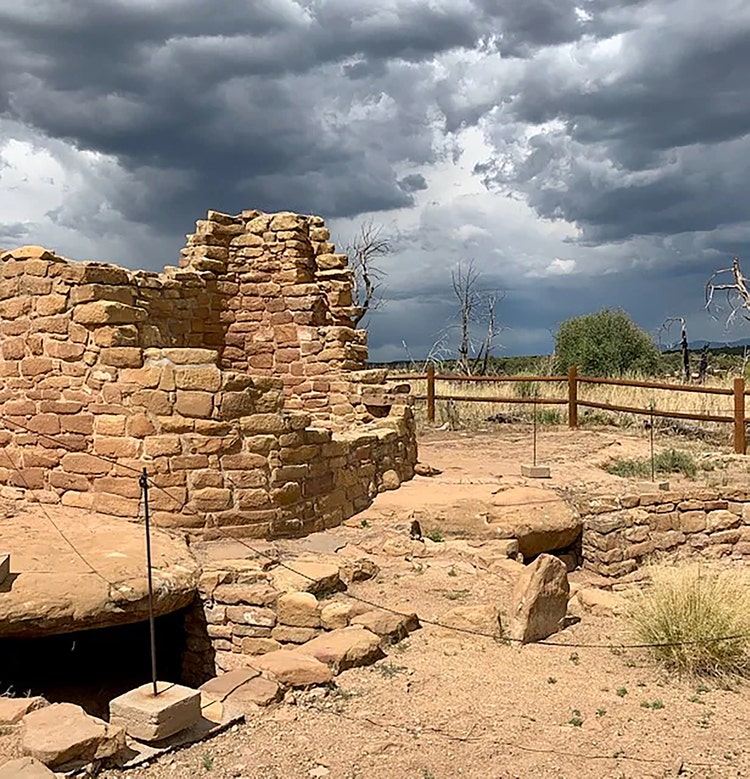
Cedar Tree Tower
Cedar Tree Tower is one of several tower sites that have been identified on the mesa tops. Towers were primarily built during the Classic period (CE 1100 to 1300) at Mesa Verde and are usually associated with a kiva. The purpose of the tower-kiva complex is not known. Some speculate that towers had a ceremonial purpose based on their close association with kivas. Others propose the mesa top towers were part of a communication system.
Far View Sites Complex
Far View was one of the most populated areas of Mesa Verde from CE 900 to 1300, with nearly 50 villages in just a half square mile. Long before the famous cliff dwellings, Ancestral Pueblo people lived and thrived here. Today, visitors can explore a network of excavated mesa-top sites including Far View House, Coyote Village, and Far View Tower—all easily accessible by walking trails
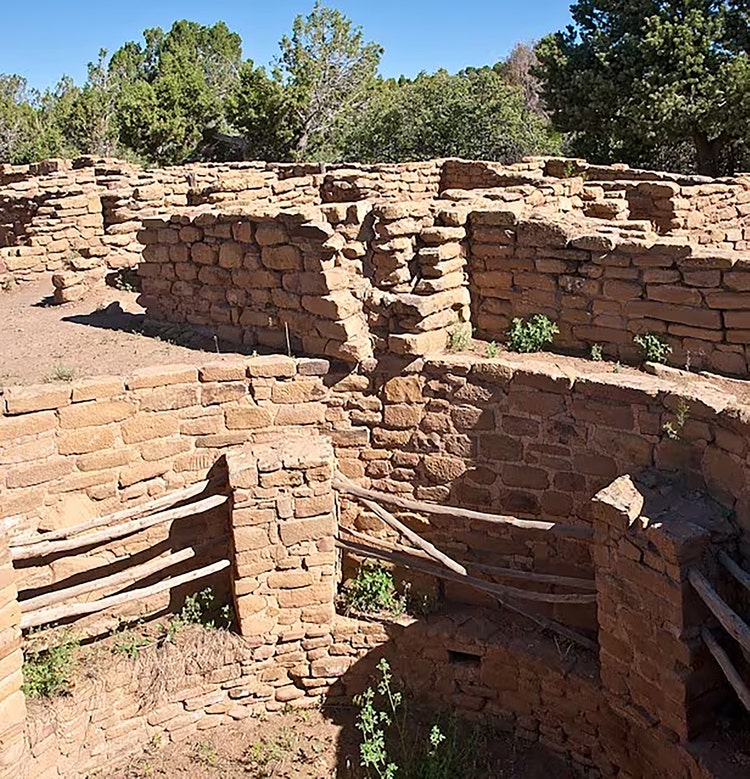
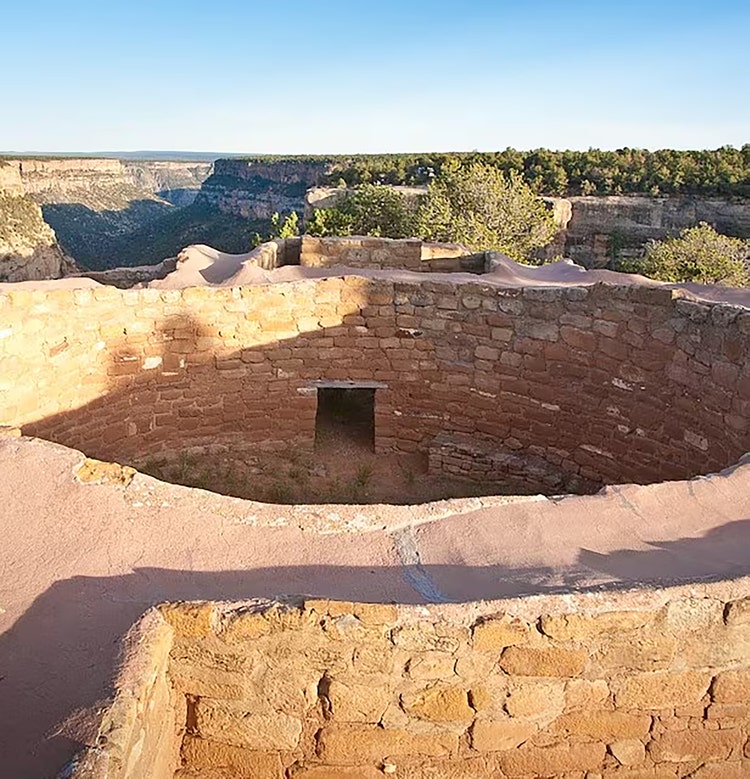
Sun Temple
Believed by modern Pueblo Native Americans to be a ceremonial site, the Sun Temple at Mesa Verde features fine masonry and a distinctive "D" shape. Archaeologists found no roof beams or household artifacts, suggesting it may have been unfinished. Its massive walls, originally 11–14 feet high, highlight the effort behind its construction. A nearby stone basin may have served as a sundial, marking seasonal changes.